
Introduction:
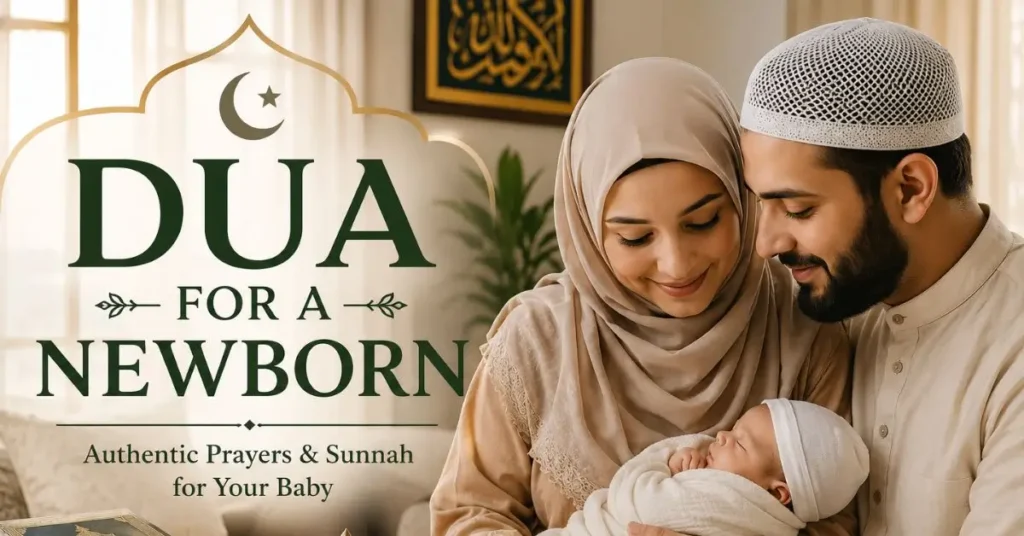
Welcoming a baby into the world is one of the happiest moments for any Muslim family. Along with joy and celebration, parents also feel responsibility, love, and hope for their child’s future. In Islam, making prayers for a baby is an important Sunnah that brings blessings and protection.
A dua for a newborn is a prayer asking Allah for protection, health, guidance, and righteousness for the baby. Muslims often recite authentic supplications from the Sunnah soon after birth to seek Allah’s mercy and blessings for the child and family.
This guide explains authentic Islamic prayers for newborn babies, their meanings, when to recite them, and the Sunnah practices every Muslim parent should know.
Summary
- Islam encourages making sincere prayers for newborn babies
- Several authentic duas from the Sunnah can be recited
- Parents commonly ask Allah for protection, health, and righteous character
- Adhan, Tahneek, and Aqiqah are recommended Sunnah practices
- Simple heartfelt prayers are also encouraged
Why Making Dua for a Baby Matters
In Islam, children are considered a gift and trust from Allah. Parents are encouraged to pray for their children from the very beginning of life. A newborn child cannot protect themselves, so parents turn to Allah for safety, guidance, and blessings.
The Prophet Muhammad ﷺ regularly made supplications for children. His example teaches Muslims that spiritual care is just as important as physical care.
Many Muslim families in the US, UK, and Canada also use these moments to build a strong Islamic connection at home. Even simple daily prayers can create meaningful habits as a child grows.
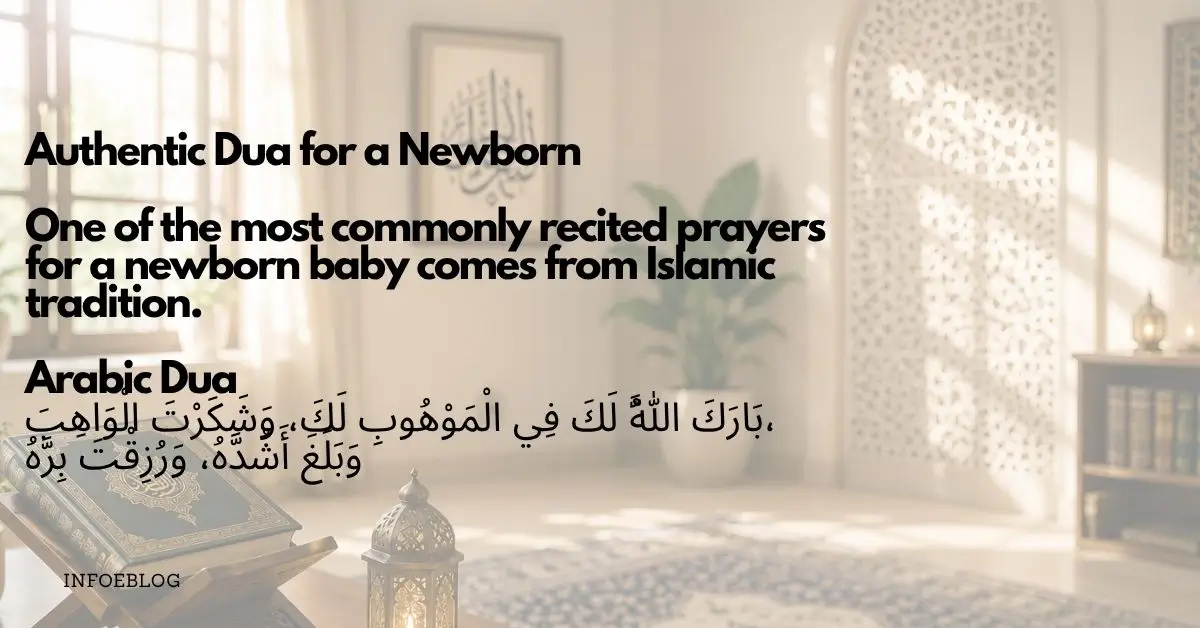
English Translation
“May Allah bless you in His gift to you, may you give thanks to the Giver, may the child reach maturity, and may you be blessed with their righteousness.”
This prayer is often said when congratulating parents after childbirth.
Meaning of the Dua
This supplication asks Allah for four important things:
| Part of the Dua | Meaning |
|---|---|
| Blessings in the child | Asking Allah to place goodness in the baby’s life |
| Gratitude | Encouraging parents to thank Allah |
| Healthy growth | Hoping the child reaches adulthood safely |
| Righteousness | Asking Allah to make the child obedient and kind |
This beautiful balance shows that Islam values both worldly well-being and spiritual character.
Sunnah Practices After a Baby Is Born
Islam provides several recommended actions after childbirth. These practices are simple but meaningful.
1. Reciting the Adhan
Many Muslims softly recite the Adhan in the baby’s right ear soon after birth.
The purpose is spiritual. The first words a child hears remind the family of faith and worship.
Although cultural practices differ, many scholars consider this a recommended Sunnah practice.
2. Tahneek
Tahneek involves rubbing softened date on the baby’s palate. This practice comes from authentic narrations about the Prophet Muhammad ﷺ.
Parents often ask a knowledgeable and pious elder to perform Tahneek, though parents themselves may also do it carefully.
3. Choosing a Good Name
Islam encourages parents to select meaningful names with positive Islamic meanings.
Names connected to prophets, righteous people, or good character are commonly recommended.
For example:
- Abdullah
- Ibrahim
- Maryam
- Fatimah
- Yusuf
A good name becomes part of a child’s identity throughout life.
4. Aqiqah
Aqiqah is the Sunnah sacrifice performed for a newborn child.
Typically:
- Two goats are sacrificed for a boy
- One goat for a girl
Families then share the meat with relatives, friends, and those in need.
In countries like the US and UK, many Islamic centers now help families organize Aqiqah services more easily.
Simple Duas Parents Can Make Daily
Parents do not need to limit themselves to one specific supplication. Any sincere prayer is valuable.
Here are some meaningful examples:
- “O Allah, protect my child from harm.”
- “O Allah, guide my child toward righteousness.”
- “O Allah, bless my child with good health and strong faith.”
- “O Allah, make my child kind, honest, and obedient.”
Simple language is completely acceptable because Allah understands every sincere prayer.
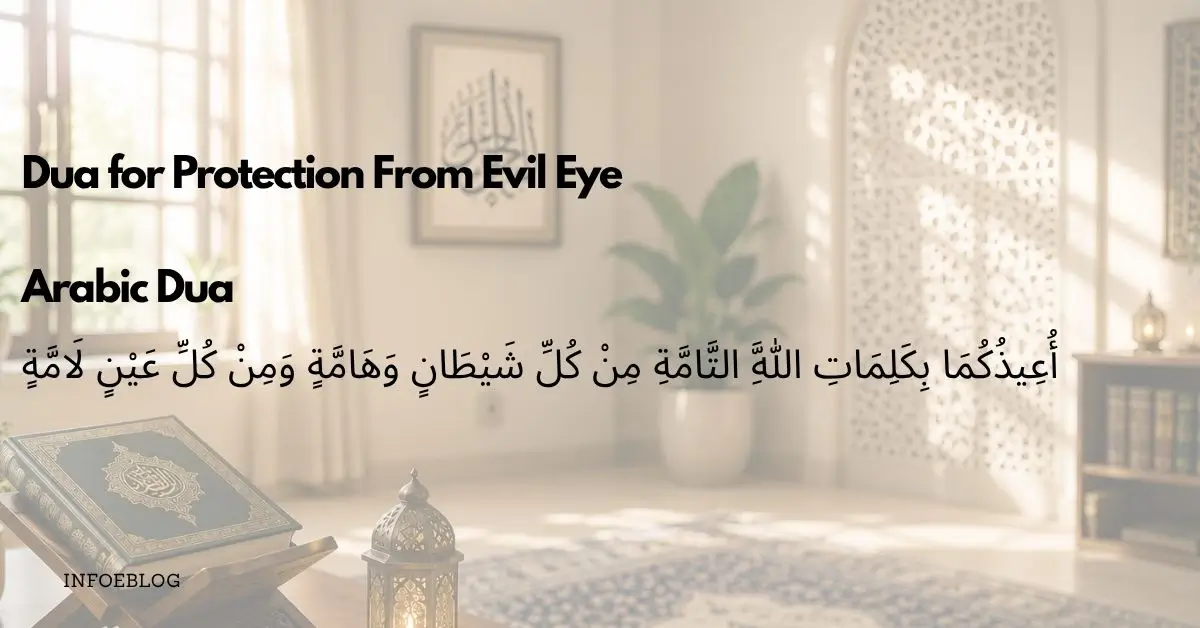
Many Muslim parents worry about envy or harmful attention toward their baby. Islam teaches believers to seek Allah’s protection.
A well-known prophetic prayer includes:
English Translation
“I seek protection for you in the perfect words of Allah from every devil, harmful thing, and evil eye.”
Parents often recite this regularly over their children.
Best Times to Make Dua for Children
Islam encourages believers to make prayers at all times, but some moments are especially recommended.
These include:
- After obligatory prayers
- During Tahajjud
- While fasting
- On Fridays
- During rain
- While traveling
- In Sujood
Parents who consistently pray for their children often develop a stronger spiritual connection within the family.
Raising a Child With Islamic Values
Making supplication is important, but it should also be supported with action.
Children learn from what they see daily. Parents who show kindness, honesty, patience, and prayer at home usually create stronger Islamic environments.
For example:
- Reading Quran together
- Teaching simple duas early
- Showing good manners
- Encouraging gratitude
- Limiting harmful influences
A child’s Islamic upbringing begins long before they understand words.
Common Mistakes Parents Should Avoid
Treating Culture as Religion
Some cultural traditions are harmless, but others may be incorrectly presented as required Islamic practices.
Parents should focus on authentic teachings from the Quran and Sunnah.
Depending Only on Rituals
Islam encourages both spiritual and practical care.
Parents should:
- Make prayers
- Provide medical care
- Create a safe environment
- Support emotional development
Balanced parenting is important.
Forgetting Consistency
One emotional prayer after birth is beautiful, but regular daily prayers for children are even more meaningful over time.
A Real-Life Example
A Muslim couple in Texas began reciting short evening prayers for their newborn daughter every night before sleep. As the child grew older, she naturally learned the habit of saying simple duas before bedtime.
This shows how small consistent actions can shape a child’s connection with Islam.
The Emotional Side of Parenthood in Islam
Becoming a parent changes daily life completely. Sleepless nights, stress, and responsibility can feel overwhelming, especially for first-time parents.
Islam acknowledges these struggles while reminding believers that raising children is a rewarding act of worship.
Even small moments matter:
- Smiling at your child
- Teaching kindness
- Reciting Quran near them
- Making sincere prayers for their future
These acts build a loving Islamic home environment.
Frequently Asked Questions
What is the best dua for a newborn baby in Islam?
The best-known prayer asks Allah to bless the child, help the parents remain grateful, allow the child to grow safely, and grant righteousness. It is widely recited by Muslim families after childbirth.
This supplication combines blessings for both the child and parents, making it one of the most complete Islamic prayers for newborns.
Can parents make dua in English for their baby?
Yes, parents can make sincere prayers in English or any language they understand. Allah knows every intention and hears every sincere request.
Arabic duas from the Sunnah are highly recommended, but heartfelt personal prayers are also valuable and encouraged in Islam.
When should the newborn dua be recited?
There is no single required time. Many Muslims recite prayers shortly after birth, during visits, after prayers, or before the baby sleeps.
Consistent daily prayers are often more meaningful than focusing on one exact moment.
Is reciting Adhan in the baby’s ear compulsory?
No, it is not compulsory. However, many scholars consider it a recommended Sunnah practice based on Islamic narrations.
Families should approach this practice with understanding and avoid treating it as an obligation.
What is Aqiqah in Islam?
Aqiqah is the Sunnah sacrifice performed after a baby is born. It is usually done on the seventh day, though later dates are also acceptable.
The practice includes sacrificing animals, naming the child, and sharing food with others.
Can grandparents also recite prayers for the baby?
Yes, grandparents, relatives, and friends can all pray for the child. In Islam, sincere prayers from loved ones are highly valued.
Many families gather together after childbirth and make collective prayers for the baby’s future and well-being.
Final Thoughts
Welcoming a child into the world is a beautiful blessing filled with hope and responsibility. Islam encourages parents to begin this journey with sincere prayers, gratitude, and trust in Allah.
Whether you recite traditional supplications from the Sunnah or simple personal prayers, what matters most is sincerity and consistency. A loving Islamic environment, combined with regular dua, can help build strong faith and character as your child grows.