

Introduction:
Umrah is one of the most spiritually rewarding acts of worship in Islam. Every year, millions of Muslims travel to the holy city of Makkah to perform this sacred pilgrimage and strengthen their connection with Allah. Although Umrah is not compulsory like Hajj, it holds immense religious importance and offers believers an opportunity to seek forgiveness, purify their hearts, and renew their faith.
For many Muslims, performing Umrah is a lifelong dream. The journey allows believers to leave behind worldly distractions and focus entirely on worship, prayer, and remembrance of Allah. Whether performed during Ramadan or any other time of the year, Umrah brings peace, spiritual growth, and countless blessings.
Understanding the Meaning of Umrah
The word “Umrah” in Arabic means “to visit a populated place.” In Islamic terminology, Umrah refers to the pilgrimage to the Kaaba in Makkah with specific acts of worship performed according to the Sunnah of Prophet Muhammad ﷺ.
Unlike Hajj, which has fixed dates in the Islamic calendar, Umrah can be performed at almost any time during the year. This flexibility allows Muslims from all around the world to visit the holy cities according to their convenience and circumstances.
Umrah mainly consists of four important rituals:
- Entering the state of Ihram
- Performing Tawaf around the Kaaba
- Performing Sa’i between Safa and Marwah
- Shaving or trimming the hair
These rituals symbolize devotion, humility, obedience, and submission to Allah.
Difference Between Hajj and Umrah
Many people confuse Umrah with Hajj, but there are important differences between the two pilgrimages.
Hajj
Hajj is one of the five pillars of Islam and is obligatory once in a lifetime for Muslims who are financially and physically able. It is performed during specific days in the Islamic month of Dhul Hijjah.
Umrah
Umrah is a voluntary pilgrimage and can be performed at any time of the year. Although it is not compulsory, it carries great spiritual rewards and importance in Islam.
Hajj includes more rituals and takes several days to complete, while Umrah is shorter and usually completed within a few hours.
The Religious Importance of Umrah
Umrah holds a special place in Islam because it allows Muslims to cleanse their sins and strengthen their relationship with Allah. It is considered an act of devotion and obedience that brings immense rewards.
The Prophet Muhammad ﷺ highly encouraged Muslims to perform Umrah. In one Hadith, he said:
“The performance of Umrah is an expiation for the sins committed between it and the previous Umrah.”
This Hadith highlights the spiritual purification associated with the pilgrimage. Muslims believe that sincere repentance and worship during Umrah can erase minor sins and renew faith.
Spiritual Benefits of Performing Umrah
One of the greatest reasons Muslims perform Umrah is to achieve spiritual peace and closeness to Allah. The journey transforms hearts and reminds believers about the temporary nature of worldly life.
Strengthening Faith
Standing before the Kaaba and worshipping Allah deeply strengthens a Muslim’s faith. The experience increases love for Islam and motivates believers to improve their daily worship.
Seeking Forgiveness
Many pilgrims travel for Umrah to seek Allah’s mercy and forgiveness. The sacred atmosphere of Makkah encourages sincere repentance and prayer.
Purifying the Heart
Umrah teaches patience, humility, gratitude, and self-discipline. Pilgrims leave behind luxury and distractions to focus only on worship.
Unity Among Muslims
Muslims from every race, nationality, and background gather together during Umrah. This creates a powerful sense of brotherhood and equality in Islam.
The Rituals of Umrah Explained
Understanding the rituals of Umrah helps Muslims appreciate the deeper meanings behind the pilgrimage.
Ihram
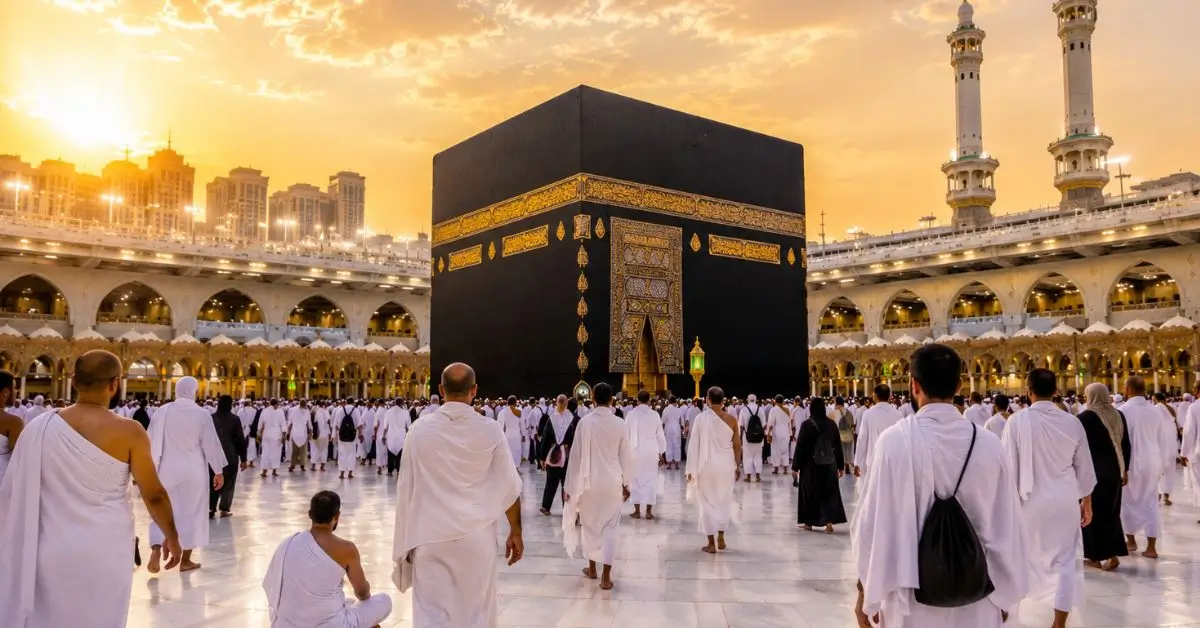
Before entering Makkah, pilgrims enter a sacred state called Ihram. Men wear two simple white garments, while women dress modestly.
Ihram symbolizes purity, equality, and detachment from worldly status.
Tawaf
Pilgrims perform seven rounds around the Kaaba in worship and remembrance of Allah. Tawaf reflects the unity of Muslims worshipping one Creator.
Sa’i
Sa’i involves walking seven times between the hills of Safa and Marwah. This ritual honors the struggle of Hajar, the wife of Prophet Ibrahim عليه السلام, as she searched for water for her son Ismail.
Halq or Taqsir
Men shave or trim their hair, while women trim a small portion. This act symbolizes spiritual renewal and humility before Allah.
Why Muslims Long to Perform Umrah
For many believers, Umrah is not just a physical journey but a deeply emotional and spiritual experience. Visiting the Kaaba and praying in Masjid al-Haram creates memories that remain in the heart forever.
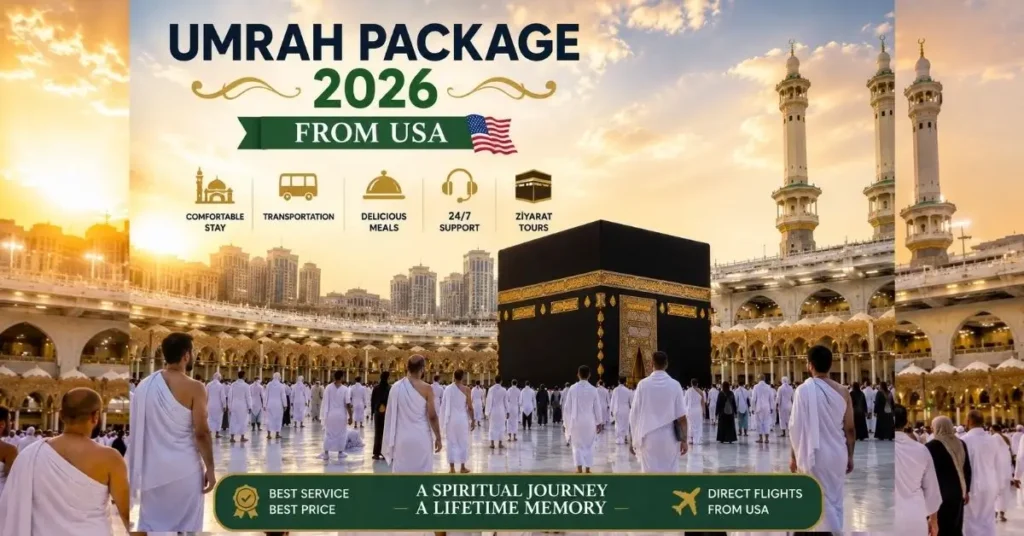
Many Muslims spend years saving money and preparing spiritually for this journey. Today, travel agencies offer different services and plans, including the popular Umrah package 2026 from USA, making it easier for international pilgrims to organize their travel and accommodation.
The emotional feeling of seeing the Kaaba for the first time is something many pilgrims describe as life-changing. It inspires Muslims to become better individuals and remain closer to Allah after returning home.
Importance of Makkah and Madinah
Umrah also allows Muslims to visit two of the holiest cities in Islam.
Makkah
Makkah is the birthplace of Prophet Muhammad ﷺ and home to the Kaaba, the direction Muslims face during prayer.
Madinah
Many pilgrims also visit Madinah after Umrah to pray in Masjid an-Nabawi and send salutations upon Prophet Muhammad ﷺ.
These holy places strengthen a Muslim’s love for Islam and Islamic history.
How Umrah Changes a Person
Many people return from Umrah with a renewed mindset and stronger commitment to Islam. The journey teaches valuable lessons, including:
- Patience during difficulties
- Gratitude for Allah’s blessings
- Humility and equality
- Importance of regular prayer
- Detachment from worldly distractions
The spiritual environment encourages Muslims to improve their character and maintain good habits after returning home.
Preparing for Umrah Spiritually
While travel arrangements are important, spiritual preparation is equally necessary.
Pilgrims should:
- Learn the rituals properly
- Make sincere repentance
- Increase prayer and Quran recitation
- Correct their intentions
- Avoid arguments and sinful behavior
A sincere and humble attitude allows believers to gain the full spiritual benefits of Umrah.
Conclusion
Umrah is a beautiful act of worship that holds deep spiritual importance in Islam. Although it is not obligatory like Hajj, it offers Muslims an incredible opportunity to seek forgiveness, strengthen faith, and grow closer to Allah.
From Tawaf around the Kaaba to the symbolic journey between Safa and Marwah, every ritual of Umrah carries lessons of patience, devotion, and trust in Allah. The pilgrimage reminds Muslims of the unity of the Ummah and the importance of sincere worship.
For believers around the world, Umrah is more than a journey—it is a life-changing spiritual experience that leaves a lasting impact on the heart and soul.